
Blog
Why Faux Plants Are Tough on the Planet
They never wilt and never need water — but that convenience comes at a real environmental cost. From production to disposal, artificial plants behave a lot more like single-use plastic than living flora.
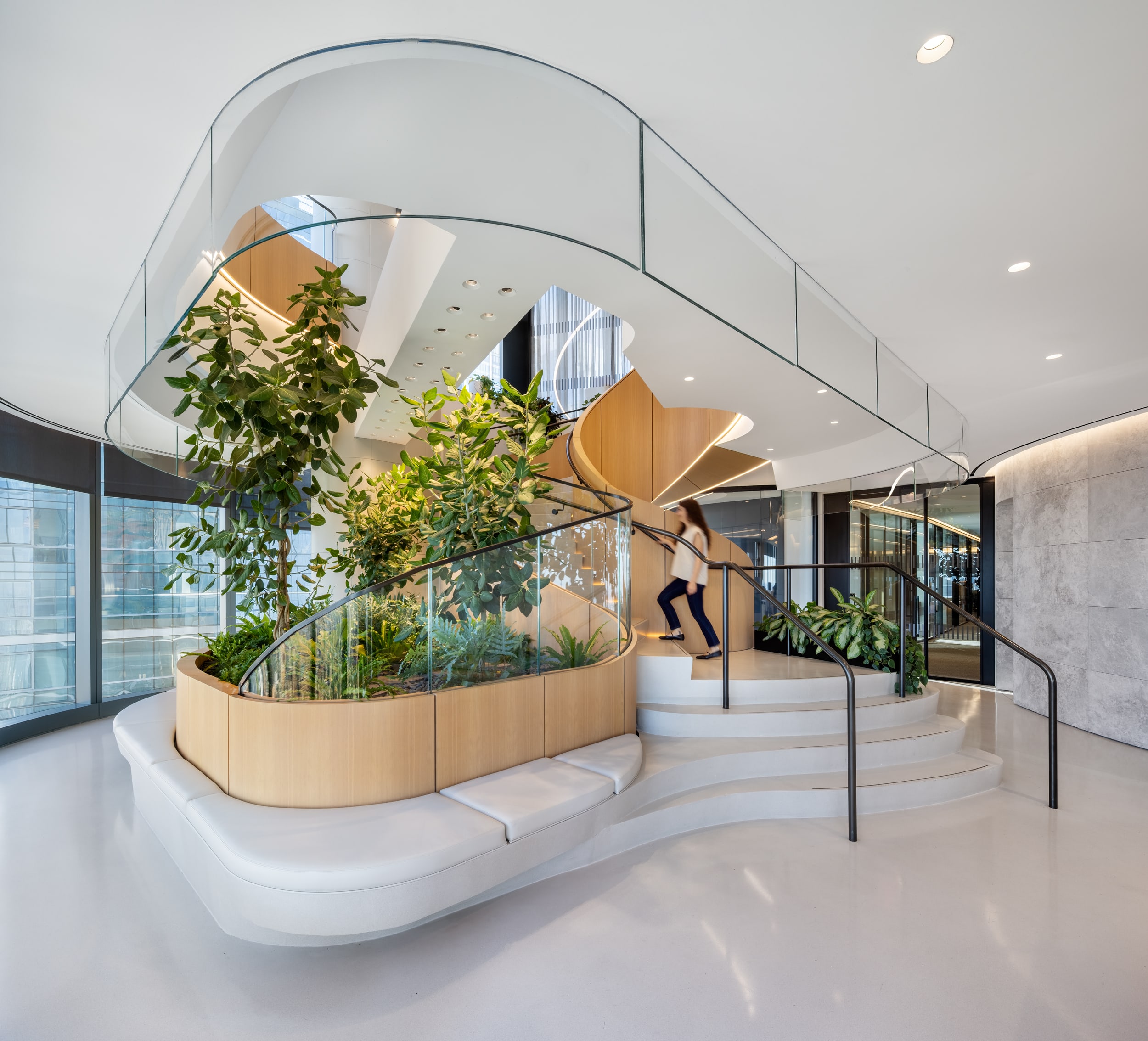
Faux plants promise the ultimate convenience: they never wilt, never need water, and never die. But that low-maintenance appeal comes at a real environmental cost. Despite looking green, artificial plants behave a lot more like single-use plastic than they do like living flora — here are five reasons why.
Built From Fossil Fuels
Most artificial foliage starts as petroleum — PVC, polyethylene, polypropylene, and synthetic fibers, all derived from crude oil. Extracting and refining that oil is a significant source of carbon emissions before a single leaf is even molded, and the manufacturing process itself is energy-intensive from start to finish.
A “Forever Plastic” Problem
A real plant returns to the earth. A fake one doesn't. Most faux plants are built by fusing several materials together — plastic leaves melted onto wire stems, fabric petals bonded to plastic stalks — which makes them nearly impossible to recycle. Once discarded, they're headed for a landfill or incinerator, where they can sit for centuries, shedding microplastics and leaching chemicals into the surrounding soil and water along the way.
Chemicals That Off-Gas Indoors
To get that lifelike look and feel, manufacturers treat artificial plants with dyes, UV stabilizers, and flame retardants. Some of those treatments release volatile organic compounds (VOCs) into the air over time. Instead of improving your indoor air quality — one of the biggest benefits of real plants — a faux plant can quietly work against it.
No Ecological Function
A living plant is doing something: pulling carbon dioxide out of the air, releasing oxygen, regulating humidity, and — outdoors — offering food and habitat for birds and pollinators. An artificial plant does none of that. It occupies space and offers a visual approximation of nature, without any of the underlying biology that makes biophilic design actually work.
A Long Supply Chain
Because they don't need to be grown, cared for, or replaced on any natural timeline, cheap plastic plants are typically mass-produced overseas and shipped around the world by cargo ship — adding a meaningful transportation footprint on top of everything else.
It's why we've built our business exclusively around live plants. They ask more of us — more care, more attention, more expertise — but they give back in ways no plastic replica ever could: cleaner air, real biodiversity, and a design that actually gets better with time instead of sitting in a landfill for the next few centuries.
Ready to go real?
We'll design, install, and maintain a living plant program built for your space.
Work with us
Get in touch
Ready to bring the natural world into your space? Whether you need office plants, a living green wall, or a rooftop garden in New York City, Chicago, or Washington D.C. — we'd love to hear about your project.