
Blog
How Living Plants Support WELL and LEED Certification
Biophilic design has moved from a nice-to-have to a measurable strategy in today's leading building certification standards.
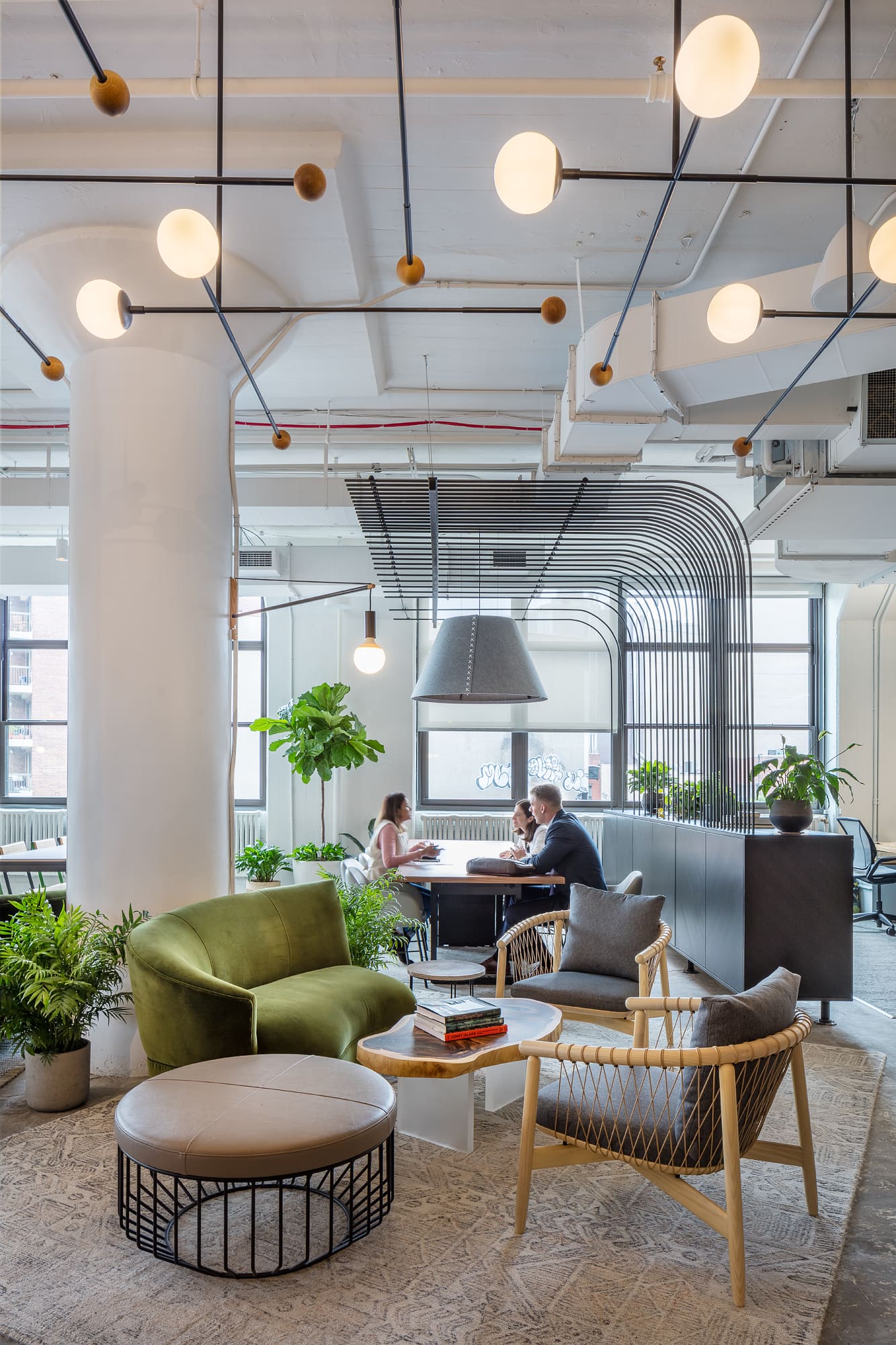
Living elements — indoor plantscaping, living green walls, moss installations, and courtyard flora — have moved from decorative interior choices to genuine design strategy. Two of the industry's leading certification frameworks, the WELL Building Standard and LEED, increasingly recognize biophilic design as a measurable contributor to occupant health and wellbeing.
Supporting Restorative, Low-Stress Spaces
Mental health and stress recovery are a growing focus for both WELL and LEED. Dedicated areas with living greenery — whether a green wall or a cluster of statement plants — are one of the most direct ways to create a genuinely restorative space, rather than a simply decorative one.
Nature Connection and Quality Views
Direct visual and physical connection to nature is easy to design for when a space has courtyard access or floor-to-ceiling windows — harder on a windowless interior floor. Living walls and dense interior plantscaping are widely used to bring that connection indoors, especially in spaces that lack direct exterior views.
Acoustic Comfort
Dense foliage and preserved moss installations naturally absorb and scatter sound, softening hard-surfaced interiors. They're not a replacement for engineered acoustic treatment, but they're an increasingly common complement to it — and they look a lot better than acoustic panels alone.
Air Quality and Humidity
Live plants remain one of the most visible, tangible signals of a healthy indoor environment. Paired with real mechanical ventilation and monitoring, living plant systems can help support more comfortable, more stable humidity indoors.
Inclusive, Neurodivergent-Friendly Design
Calm, natural textures and greenery are increasingly recognized as a meaningful tool for reducing sensory overstimulation — supporting focus and comfort for neurodivergent building occupants, an area both WELL and LEED are placing more emphasis on in their newest standards.
Maintenance matters for compliance
Certification isn't a one-time checkbox. Both WELL and LEED expect ongoing documentation that a space is actually performing as designed — which means a living wall or interior plantscape needs a real maintenance plan behind it, not just a great install day. A struggling, poorly maintained installation doesn't just look bad — it puts the certification value of that investment at risk.
It's exactly why we treat design and ongoing maintenance as one continuous relationship, not two separate services — and it's worth noting that specific credit requirements vary by project type and jurisdiction, so we always recommend confirming the details with your certification consultant.
Working toward WELL or LEED certification?
Our biophilic design team can help build a living plant strategy that supports your certification goals.
Work with us
Get in touch
Ready to bring the natural world into your space? Whether you need office plants, a living green wall, or a rooftop garden in New York City, Chicago, or Washington D.C. — we'd love to hear about your project.